Robotic, Primary and Revision Arthroplasty Joint Replacement
Robotic, Primary and Revision Arthroplasty (Joint Replacement) in Noida
Joint pain, stiffness, reduced mobility, and advanced arthritis can significantly affect everyday activities and quality of life. When conservative treatments no longer provide sufficient relief, Robotic, Primary and Revision Arthroplasty (Joint Replacement) in Noida can offer a reliable solution for restoring joint function and improving mobility. Dr. Rahul Ray provides specialized orthopaedic care for patients requiring primary or complex revision joint replacement procedures.
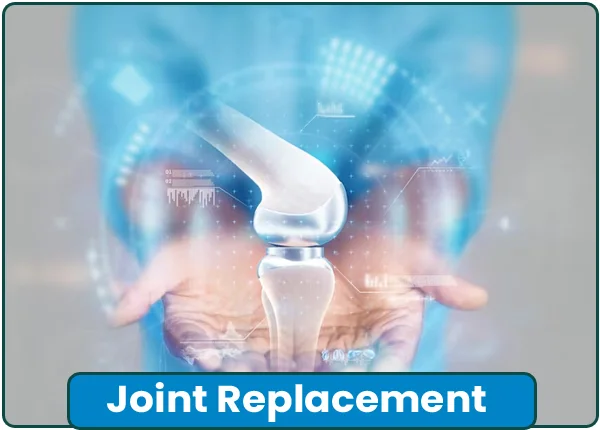
Joint replacement involves replacing damaged portions of a joint with artificial components designed to restore movement and reduce pain. Depending on the patient's condition, age, activity level, bone quality, and previous surgical history, treatment may involve a primary joint replacement or a revision procedure. Advanced surgical planning and appropriate implant selection are important for achieving stable and functional outcomes.
What Is Joint Replacement Surgery?
Joint replacement, also known as arthroplasty, is a surgical procedure performed when severe joint damage affects movement and causes persistent pain. The damaged surfaces of the joint are replaced with artificial components to help restore smoother movement.
Hip and knee replacement are among the most commonly performed joint replacement procedures. Patients may be considered for surgery when symptoms continue despite appropriate non-surgical treatment and begin to interfere with walking, work, sleep, or routine activities.
Robotic-Assisted Joint Replacement
Robotic-assisted surgery can support detailed pre-operative planning and help the surgeon execute the planned procedure with a high degree of precision. It may be considered for selected patients undergoing knee or other joint replacement procedures.
Robotic technology can assist in evaluating joint alignment, planning bone preparation, and positioning implants according to the surgical plan. However, the robotic system does not replace the expertise and decision-making of the orthopaedic surgeon. Patient selection and surgical planning remain essential parts of treatment.
Primary Joint Replacement
Primary arthroplasty refers to the first joint replacement performed on a particular joint. It may be recommended for patients with advanced joint damage caused by conditions such as osteoarthritis, rheumatoid arthritis, severe injury, or other degenerative problems.
Before recommending surgery, Dr. Rahul Ray evaluates the patient's symptoms, physical condition, imaging findings, activity requirements, and overall health. The objective is to determine whether joint replacement is appropriate and identify the most suitable surgical approach.
Primary joint replacement may help patients:
· Reduce persistent joint pain
· Improve mobility and walking ability
· Perform daily activities more comfortably
· Correct certain joint deformities
· Improve overall functional independence
Revision Joint Replacement
Revision arthroplasty is a more complex procedure performed when an existing joint replacement develops a significant problem or requires replacement. Revision surgery may be necessary because of implant loosening, wear, instability, infection, bone loss, fracture around the implant, or other complications.
Unlike primary replacement, revision surgery may involve removing existing implants, addressing damaged bone or soft tissues, and selecting specialized implants to provide appropriate stability. Careful assessment and detailed surgical planning are particularly important in these cases.
When May Joint Replacement Be Recommended?
Joint replacement may be considered when joint damage becomes advanced and symptoms significantly affect daily life. Common indications include:
· Advanced osteoarthritis
· Severe and persistent joint pain
· Significant stiffness and reduced movement
· Difficulty walking or climbing stairs
· Joint deformity
· Failure of appropriate conservative treatment
· Previous joint replacement complications
· Implant loosening or wear
· Certain fractures involving a replaced joint
Not every patient with joint pain requires surgery. A detailed orthopaedic evaluation helps determine whether medication, physiotherapy, lifestyle modification, injections, or surgical treatment is appropriate.
Evaluation Before Joint Replacement
A comprehensive evaluation is important before undergoing arthroplasty. Dr. Rahul Ray may assess the patient's medical history, symptoms, physical examination findings, joint movement, muscle strength, and functional limitations.
Imaging such as X-rays or other investigations may be recommended to understand the extent of joint damage and evaluate bone and implant condition. For revision procedures, additional investigations may be required to identify the underlying cause of implant failure or other complications.
The patient's general health is also considered because conditions such as diabetes, heart disease, obesity, or other medical issues may influence surgical planning and recovery.
Recovery After Joint Replacement
Recovery varies depending on the joint involved, surgical procedure, general health, and whether the surgery is primary or revision. Rehabilitation is an important part of recovery and may begin soon after surgery under appropriate medical guidance.
A structured rehabilitation programme may focus on:
· Gradually improving joint movement
· Strengthening supporting muscles
· Improving balance and stability
· Regaining walking ability
· Reducing stiffness
· Returning progressively to routine activities
Following post-operative instructions and attending recommended follow-up appointments can support the recovery process.
Why Choose Dr. Rahul Ray?
Dr. Rahul Ray focuses on individualized orthopaedic assessment and treatment planning for patients with joint disorders. From primary replacement procedures to complex revision cases, treatment is planned according to the patient's condition, functional requirements, and overall health.
For patients considering Robotic, Primary and Revision Arthroplasty (Joint Replacement) in Noida, a thorough evaluation can help determine the most appropriate treatment approach. The goal is to address the underlying joint problem while supporting improved mobility, stability, and quality of life.
Frequently Asked Questions
1. What is robotic joint replacement?
Robotic joint replacement uses computer-assisted technology to support surgical planning and precision during selected joint replacement procedures.
2. Who may need primary joint replacement?
Patients with advanced joint damage, persistent pain, significant stiffness, deformity, or reduced mobility despite appropriate non-surgical treatment may be considered for primary joint replacement.
3. What is revision joint replacement?
Revision joint replacement is surgery performed to replace or revise an existing joint implant because of problems such as loosening, wear, infection, instability, or fracture.
4. Is robotic joint replacement suitable for everyone?
No. Robotic-assisted surgery is not appropriate for every patient. Suitability depends on the joint condition, anatomy, imaging findings, overall health, and surgical requirements.
5. How long does recovery after joint replacement take?
Recovery varies from patient to patient. It depends on the type of surgery, individual health, rehabilitation progress, and whether the procedure is primary or revision.
6. When should I consult an orthopaedic specialist for joint replacement?
You should consider an evaluation when persistent joint pain, stiffness, deformity, or difficulty performing daily activities continues despite appropriate non-surgical treatment
Category : Robotic, Primary and Revision Arthroplasty Joint Replacement